Ultimate Fishing Tackle Bag: Explore Its Functions and Benefits for Every Fishing Enthusiast
The ideal fishing tackle bag functions as an indispensable asset for anglers looking for organization and efficiency. Its design includes numerous compartments for easy access to critical gear, while robust materials guarantee protection against the elements. Understanding the features that boost functionality can transform a fishing trip. However, many anglers may overlook the specific benefits these bags offer. Examining these aspects reveals why a tackle bag is not merely a storage solution.
What Is a Fishing Tackle Bag and Why Do You Need One?
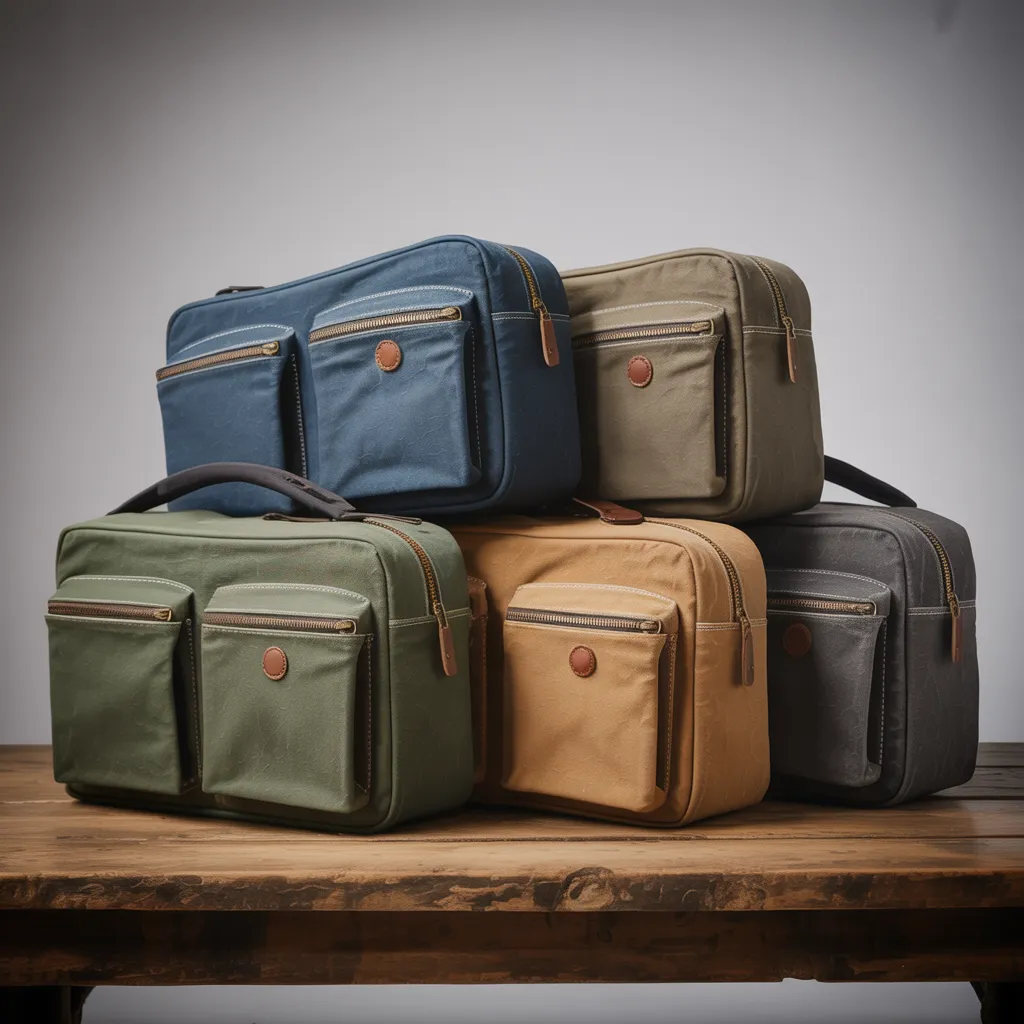
A fishing tackle bag functions as an essential storage solution for anglers, designed to arrange and protect various fishing gear and accessories. These bags are available in various sizes and styles, accommodating everything from standard lures to advanced tackle systems. They typically feature multiple compartments and pockets that allow anglers to organize their gear efficiently, making it easier to access items quickly during fishing outings.
The value of a fishing tackle bag is truly remarkable. It not only protects gear from natural elements such as water and dirt and additionally analysis decreases the risk of misplacing smaller items. Furthermore, a neatly structured tackle bag improves the overall fishing experience by reducing the time spent looking for tools and baits. As anglers regularly experience diverse conditions and locations, a tackle bag becomes vital for preserving organization and making certain that all essential equipment is accessible for successful outings.
Main Features to Check for in a Premium Tackle Bag
In selecting a quality tackle bag, anglers should evaluate several key features that boost functionality and durability. First, material quality is essential; a bag built with waterproof and tear-resistant fabric will withstand various weather conditions and rugged use. Additionally, a comfortable, adjustable shoulder strap and padded back panel are fundamental for ease of transport during long fishing trips.
Storage space and organization are equally important. Look for multiple compartments and pockets, featuring designated zones for tackle boxes, tools, and lures. This organization enables anglers to rapidly reach their gear. Furthermore, features like durable stitching and reinforced zippers add to the long-lasting nature of the bag.
In conclusion, consider portability options, like side handles or backpack straps, which provide flexibility for various fishing settings. By focusing on these key attributes, anglers can ensure their tackle bag meets their needs and elevates their fishing outing.
Leading Fishing Tackle Bags Analyzed: Locating the Best Fit for Your Needs
When evaluating the leading fishing tackle bags, numerous essential features should be evaluated to confirm they meet individual needs. A review of major brands alongside an analysis of price ranges will allow anglers to make informed decisions. This discussion aims to showcase the optimal options accessible in the market today.
Critical Features To Consider
Choosing the right fishing tackle bag requires thoughtful evaluation of several essential features that can greatly enhance the fishing experience. To begin, anglers should assess the bag's capacity, ensuring it can accommodate all necessary gear without being overly bulky. Durability is essential; materials should be weather-resistant to withstand outdoor conditions. Additionally, organizational compartments are vital for easy access to tackle and tools, with specialized pockets for items like lures and fishing licenses. Well-padded straps and ergonomic designs enhance ease of transport, especially on longer excursions. Lastly, consider portability features such as handles or wheels, which simplify movement. Each of these features plays a significant role in ensuring that the tackle bag meets the individual preferences of the angler.
Top Manufacturers Comparison
When fishing enthusiasts examine the market for fishing tackle bags, grasping the benefits and drawbacks of top brands can substantially influence their purchasing decision. Brands like Plano are recognized for their durability and comprehensive organizational options, making them a top pick among dedicated anglers. On the other hand, Ugly Stik offers practical and attractive designs that suit both beginner and seasoned fishermen. For those seeking compact and easy-to-carry options, KastKing delivers advanced tackle solutions that preserve on quality. Additionally, Spiderwire is recognized for its weatherproof features, enticing anglers who fish in changing conditions. Each brand presents unique advantages, urging anglers to assess their particular needs and preferences before making a choice.
Cost Analysis by Range
While assessing fishing tackle bags, price is a significant factor that can substantially influence an angler's choice. The market offers a broad range of options, typically categorized into budget, mid-range, and premium segments. Budget bags, typically priced under $50, provide standard functionality and limited features, ideal for casual anglers. Mid-range bags, ranging from $50 to $150, usually strike a balance between quality and affordability, offering better durability and organizational features. Premium options, exceeding $150, cater to serious anglers, featuring high-quality materials, customizable compartments, and outstanding construction. Ultimately, an angler's unique needs, frequency of use, and budget will influence the best choice, ensuring they find a tackle bag that aligns with their fishing style and requirements.
How Durability and Water Resistance Impact Tackle Bags
Water resistance and durability are critical characteristics in tackle bags, as they significantly affect a fisherman's ability to preserve and store their gear. A robust tackle bag resists the rigors of outdoor environments, including abrasive materials and rough terrain, making certain that equipment remains safe and whole. Strong materials, such as high-denier materials and reinforced seams, add to the bag's longevity, permitting anglers to invest in a product that survives through numerous fishing seasons.
Water resistance is similarly crucial, as it safeguards tackle and accessories from unanticipated splashes, rain, or accidental submersion. A water-resistant tackle bag prevents moisture from damaging fishing lines, lures, and electronic devices, preserving their performance and functionality. Together, these features elevate the overall fishing experience, supplying anglers with confidence that their gear is well-protected, allowing them to focus on the thrill of the catch rather than worrying about their equipment.
Boost Your Fishing Trip Preparation With a Tackle Bag
A tackle bag can significantly improve the organization of any fishing expedition. With vital organizational features, multi-purpose storage alternatives, and designs that focus on easy accessibility, anglers can productively manage their gear. This streamlined approach not only preserves time but also enriches the overall fishing experience.
Important Organization Elements
Organization is key to a successful fishing trip, and a carefully crafted tackle bag can make all the difference. Key organizational features in a tackle bag include numerous compartments and adjustable dividers, permitting anglers to customize their storage according to their specific gear. Mesh pockets provide visibility and easy access to smaller items, while durable zippers deliver security and durability. Many tackle bags also include exterior attachment points for tools and accessories, reducing clutter inside the bag. In addition, padded shoulder straps and ergonomic designs increase portability, making it easier to transport gear. By prioritizing these organizational features, anglers can improve their fishing experience, limit frustration, and maximize efficiency on the water.
Adaptable Storage Solutions
High-quality tackle bags deliver not only structured storage but also flexible storage options that cater to a wide array of fishing needs. These bags generally feature multiple compartments and pockets, allowing anglers to organize and store diverse gear types, such as lures, hooks, and lines. Some tackle bags include adjustable dividers, permitting customization according to the specific equipment being carried. Additionally, many models include specialized sections for tools and personal items, making sure everything has its designated place. This versatility allows anglers to adapt their storage solutions according to the fishing environment, whether they are on a boat, shore, or a remote camping trip. Ultimately, a properly constructed tackle bag improves trip organization and substantially aids in an efficient fishing experience.
User-Friendly Accessibility Design
How can anglers maximize their efficiency during fishing trips? Easy accessibility design in tackle bags offers a practical solution. These bags frequently contain several compartments and rapid-access pockets, enabling fishermen to grab necessary equipment without searching through all contents. The configuration is carefully organized to store regularly used items, like lures and equipment, readily available. Additionally, numerous tackle bags include external mounting points for extra convenience, enabling easier retrieval of items such as pliers or a measuring tape. This careful arrangement both improves the fishing experience and conserves precious time, allowing fishermen to concentrate on their catch instead of looking for gear. In the end, a simple accessibility design can significantly enhance total trip organization and productivity.
Smart Arrangement Tips for Your Gear Bag
Although many fishing enthusiasts underestimate the value of proper packing, a well-organized tackle bag can greatly enhance the fishing experience. Intelligent organization methods include categorizing gear to streamline accessibility. For example, anglers can separate lures, hooks, and lines into assigned compartments, facilitating quick retrieval. Additionally, utilizing see-through plastic bins allows for quick identification of tackle while stopping tangling.
An effective approach is to position commonly used items at the top or in easily accessible pockets. Anglers must also evaluate weight distribution; setting heavier items at the bottom secures the bag and makes it simpler to carry. Using space strategically, such as rolling up spare lines and tucking them into smaller pockets, increases storage capacity without cluttering.
Last but not least, consistent maintenance of the tackle bag, such as cleaning and reorganizing, confirms that all items are accounted for and in prime condition. These approaches eventually contribute to a more enjoyable and productive fishing trip.
Picking the Proper Size Tackle Bag
Selecting the proper size tackle bag is essential for maximizing an angler's fishing experience, as it directly influences gear organization and accessibility. A tackle bag that is too small may lead to overcrowding, making it hard to locate important items quickly. Conversely, an oversized bag can become cumbersome, detracting from mobility during fishing trips.
When choosing the right size, anglers should consider the types of fishing they practice and the volume of gear they typically take with them. For example, those who choose shore fishing may opt for a compact bag, while boat anglers may want a larger option to accommodate additional equipment.
Moreover, evaluating the quantity and size of tackle boxes, tools, and personal items is crucial. A well-sized tackle bag not only enhances convenience but also makes certain that all required gear is within reach, finally contributing to a more satisfying fishing experience.
How Can a Fishing Tackle Bag Increase Your Fishing Efficiency?
Organized storage provided by fishing tackle bags enhances efficiency on the water, helping anglers keep their equipment properly arranged. This organization not only saves time but also guarantees that essential tackle is readily available. Swift gear accessibility may produce a notable difference during fruitful angling trips.
Organized Gear and Equipment Storage
When fishing enthusiasts employ a well-designed fishing tackle bag, they can substantially boost their fishing efficiency through organized gear storage. A tackle bag with multiple compartments enables systematic placement of lures, hooks, lines, and tools. This organization eliminates confusion, making it simpler to locate essential items quickly. Additionally, designated sections for different types of gear reduce the likelihood of tangles and damage, protecting the integrity of the equipment. By keeping a clutter-free environment, anglers can dedicate themselves to their fishing techniques rather than losing time hunting for misplaced items. Ultimately, organized gear storage not only optimizes the fishing process but also contributes to a more enjoyable and productive experience on the water, ensuring that anglers are always prepared to seize opportunities.
Immediate Access to Gear
Effective access to tackle can substantially influence the success of a fishing trip. A thoughtfully-designed fishing tackle bag enhances an angler's efficiency by allowing for quick retrieval of essential gear. With compartments and pockets strategically organized, anglers can rapidly locate tools, lures, and hooks without wasting valuable time. This immediate accessibility decreases disruptions during fishing, assisting in maintain focus and improve catch rates. Moreover, tackle bags often feature water-resistant materials, protecting gear from the elements while ensuring that everything remains organized and ready for use. By streamlining the process of gear management, a tackle bag allows anglers to adapt to changing conditions smoothly, ultimately resulting in a more productive and rewarding fishing experience.
Actual Experiences: Fishing Enthusiasts Talk About Their Tackle Bag Adventures
Tackle bags function as essential companions for anglers, containing not just gear but also cherished experiences. One angler recalled a memorable trip where his tackle bag was instrumental in landing a trophy bass. With everything organized, he accessed his favorite lures rapidly, making the most of his time on the water. Another fisherman recounted how his tackle bag became a crucial part of a bonding experience with his son, as they packed it together for their first fishing outing. The shared excitement of choosing tackle created enduring memories. A seasoned angler shared a time when his bag saved the day; he found a forgotten emergency raincoat just in time to dodge a sudden storm. These stories emphasize the emotional connection anglers have with their tackle bags, going beyond mere utility. Each bag tells a unique story, capturing the adventures, triumphs, and cherished moments shared between anglers and their loved ones.
Supplementary Storage Solutions to Complement Your Tackle Bag
To optimize their tackle bags, anglers can discover various additional storage options that improve organization and accessibility. One practical option is using modular tackle boxes, which can be tailored to fit specific needs and easily reorganized. These boxes often include adjustable dividers, fitting various lure sizes and types.
Another beneficial addition is a tackle bag organizer, which can be positioned in the main compartment, providing designated spaces for fishing accessories, tools, and baits. Additionally, external pouches or zippered compartments can provide easy access to smaller items like hooks and sinkers, stopping them from going missing.
Fishermen might also think about adding a waterproof pouch for electronics and personal effects, guaranteeing they stay protected from weather conditions. By integrating these storage solutions, anglers can enhance their tackle bags, making fishing trips more efficient and enjoyable.
Questions & Answers
Is It Possible to Use a Tackle Bag for Other Outdoor Activities?
Certainly, a tackle bag can be employed for multiple outdoor activities. Its generous compartments and long-lasting design make it ideal for organizing camping gear, hiking gear, or any equipment essential for outdoor adventures beyond fishing.
How Can I Clean and Care for My Tackle Bag?
To care for and maintain a tackle bag, one should routinely empty it, wipe down all surfaces with a damp cloth, apply mild soap for stubborn stains, and verify it is fully dry before storing to stop mold.
Are There Tackle Bags Specifically Designed for Saltwater Fishing?
Yes, you'll find tackle bags specifically made for saltwater fishing. These bags often feature anti-corrosion materials and purpose-built compartments to protect gear from saltwater damage, ensuring extended lifespan and usability during saltwater fishing trips.
What Does a High-Quality Tackle Bag Typically Cost?
The average cost of a high-quality tackle bag usually falls from $50 to $150. Factors influencing cost include brand reputation, materials used, and supplementary features, such as waterproofing and specialized compartments for storing tackle.
Do Warranties or Guarantees Come With Tackle Bags?
Several tackle bags do offer warranties or guarantees, frequently spanning from one to five years, according to the manufacturer and type. Customers should assess individual terms to grasp protection details and requirements connected to their purchase.